
Managing Partner | NMLS: 477558
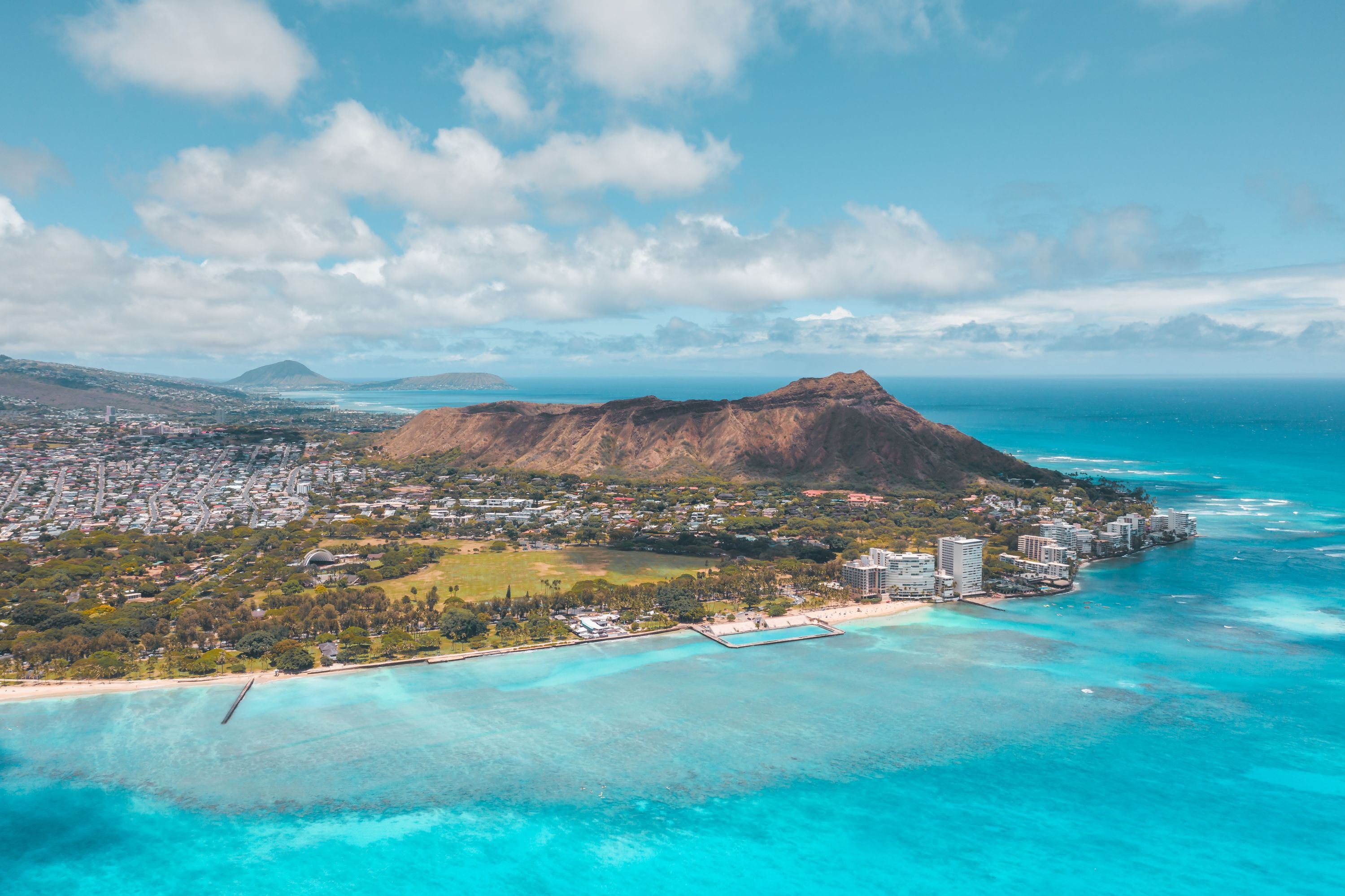
If you’ve ever dreamed of owning a piece of paradise, you’re not alone. Many people yearn for a second home in a beautiful location, and Hawaii is often at the top of that list. The stunning beaches, vibrant culture, and warm climate make it an irresistible choice for a getaway. However, buying a second home in Hawaii is not just about finding the perfect spot to relax; it involves careful planning, understanding the local market, and being aware of the unique aspects of purchasing real estate in the islands. Let’s dive into what you need to know to make your dream a reality.
First, it’s essential to understand that buying a second home in Hawaii is a bit different than purchasing a primary residence. You’ll want to consider your motivations for buying. Is this a vacation home for family gatherings? A rental property to generate income? Or perhaps a future retirement spot? Knowing your purpose will help shape your search and financial planning.
One of the first steps in your journey is to research the different islands. Each Hawaiian island—Oahu, Maui, Kauai, the Big Island, and Lanai—has its own unique charm and offerings. Oahu, for example, is bustling with activities, restaurants, and nightlife, making it perfect for those who love being in the center of excitement. Maui is often sought after for its luxurious resorts and stunning landscapes. Kauai, known as the “Garden Isle,” offers lush greenery and a more laid-back vibe. The Big Island boasts diverse landscapes, from volcanic parks to beautiful beaches. Each island has its own market conditions, so it’s key to understand what you’re looking for and where you want to be.
Once you’ve narrowed down your island of choice, it’s important to familiarize yourself with the local real estate trends. Hawaii’s market can be competitive, and homes can move quickly. This means that having a knowledgeable local real estate agent can be invaluable. They can guide you through the nuances of the market, helping you find properties that meet your criteria and budget. They will also understand the intricacies of local laws and regulations that may affect your purchase.
Financing your second home requires careful consideration. While you might be tempted to assume that your primary mortgage rules apply, there are specific factors to keep in mind when dealing with a second home. Lenders typically see second homes as more of a risk than primary residences, which means they may have stricter requirements. Be prepared to provide a solid financial picture, including proof of income, credit history, and possibly a larger down payment.
Consideration of your financing options is critical. Conventional loans are a common choice for second homes, but there are also options like VA loans if you qualify. Again, the specifics of your situation will determine the best route. A trusted mortgage loan officer can help you understand what financing option fits your needs best and guide you through the application process.
Next, let’s talk about the costs beyond just the purchase price. Owning a second home comes with ongoing expenses, including property taxes, homeowners insurance, maintenance costs, and possibly home association fees. It’s important to budget for these expenses to avoid any surprises down the road. You should also consider how often you plan to use the home. If you're planning on renting it out when you’re not there, familiarize yourself with local rental laws and regulations. Some areas have restrictions on short-term rentals, which could impact your rental income if not understood fully before purchase.
Additionally, you should think about the logistics of owning a property in Hawaii, especially if you currently reside on the mainland. Regular trips to check on the property, maintenance needs, and repairs can add up. It may be worthwhile to establish a relationship with local contractors or property management companies that can help you maintain your home when you’re not there.
Another important aspect of purchasing a second home in Hawaii is understanding the climate and its potential impacts on your property. Hawaii is known for its tropical weather, which means you’ll want to consider factors like humidity, potential for storms, and the overall environmental conditions of the area you wish to buy in. These conditions can affect not just your enjoyment of the home, but also the longevity and maintenance of the property itself.
When it comes to finalizing your purchase, make sure you’re prepared for the closing process. This can involve a variety of steps, including inspections, appraisals, and title searches. Each of these is crucial to ensure that you’re making a sound investment. Engaging a knowledgeable real estate attorney can also be beneficial, especially in navigating any local quirks in the property transfer process.
And let’s not forget about the emotional aspect of buying a second home. This is likely a big investment and a place where you’ll create lasting memories with family and friends. Take your time in selecting the property to ensure it feels right for you and your loved ones. It can be easy to get swept up in the excitement, but being deliberate in your choice is key.
If you’re considering taking the plunge into owning a second home in Hawaii, I’m here to help you navigate the process. Whether you have questions about financing options, the buying process, or specific local markets, reaching out can help clarify your goals and needs. Together, we can work on making your dream of owning a slice of paradise a reality. Don’t hesitate to reach out to discuss your specific situation further!
Managing Partner
Hawaii Mortgage Group LLC | NMLS: 477558